
In today’s rapidly evolving financial landscape, digital wallets have emerged as a cornerstone of the global movement toward cashless transactions. From enabling quick and seamless online purchases to facilitating peer-to-peer money transfers, digital wallets are revolutionizing how we manage and spend our money. But what exactly is a digital wallet, and why is it becoming an essential tool for modern consumers and businesses?
This comprehensive article delves into what digital wallets are, how they work, their benefits and drawbacks, security concerns, and the role they play in shaping the future of finance.
What Is a Digital Wallet?
A digital wallet, also known as an e-wallet, is a software-based system that securely stores users’ payment information and passwords for numerous payment methods and websites. Users can use digital wallets to make purchases, send and receive money, and even manage cryptocurrency, loyalty cards, and identification documents.
Digital wallets can be accessed via smartphones, tablets, or computers and are often linked to a user’s bank account, credit/debit cards, or other financial sources.
Popular examples include:
-
Apple Pay
-
Google Wallet
-
PayPal
-
Samsung Pay
-
Venmo
-
Cash App
-
Revolut
-
Alipay and WeChat Pay in China
How Digital Wallets Work
At their core, digital wallets simplify the payment process by storing payment information digitally. Here’s a breakdown of how they function:
-
Storage: The wallet securely stores financial credentials—such as bank account numbers, credit card data, and digital currencies.
-
Encryption: The data is encrypted to ensure privacy and security, often protected by passwords, biometrics (like fingerprints or face recognition), or two-factor authentication.
-
Transaction Processing: When a user initiates a payment, the digital wallet transmits the encrypted payment information to the merchant or recipient. The transaction is then processed through a secure gateway.
-
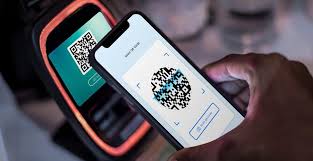
Integration: Digital wallets often integrate with e-commerce platforms, mobile apps, and even physical stores that support contactless payments via NFC (Near Field Communication) technology.
Types of Digital Wallets
There are several different types of digital wallets, each with unique use cases:
-
Closed Wallets: Issued by a company for direct purchases from that company (e.g., Amazon Pay).
-
Semi-Closed Wallets: Allow transactions with a select list of merchants and service providers (e.g., Paytm, M-Pesa).
-
Open Wallets: Linked with banks and usable at any merchant or for peer-to-peer transfers (e.g., PayPal, Apple Pay).
-
Crypto Wallets: Specialized wallets for storing cryptocurrencies like Bitcoin and Ethereum. These include hot wallets (internet-connected) and cold wallets (offline storage).
Advantages of Digital Wallets
Digital wallets offer a multitude of benefits for users and merchants alike:
1. Convenience
Carrying physical cards or cash is no longer necessary. With just a smartphone, users can pay bills, shop online, or send money to friends.
2. Speed
Transactions using digital wallets are faster than traditional card or cash payments, especially in contactless environments.
3. Security
Digital wallets often include robust security features, such as encryption, biometric access, and tokenization, which protect sensitive information.
4. Budgeting Tools
Some wallets offer spending insights, budgeting features, and transaction tracking, which help users manage their finances more effectively.
5. Rewards and Discounts
Many digital wallets offer loyalty rewards, cashback, and promotional deals, encouraging users to transact more frequently.
6. Global Accessibility
People in underbanked or unbanked regions can access digital wallets with just a mobile device, promoting financial inclusion.
Disadvantages and Challenges
Despite their growing popularity, digital wallets are not without challenges:
1. Privacy Concerns
The collection and storage of financial and personal data raise concerns about how this data is used or potentially exploited.
2. Cybersecurity Risks
While digital wallets are secure, they are not immune to cyber threats such as phishing, malware, and hacking.
3. Dependence on Technology
Digital wallets require an internet connection and a compatible device. If either fails, access to funds can be temporarily disrupted.
4. Merchant Acceptance
Not all merchants, especially small businesses or vendors in rural areas, accept digital wallet payments.
5. Compatibility Issues
Some wallets work only within certain ecosystems. For example, Apple Pay may not work on Android devices, and some banks may not support specific wallets.
Security in Digital Wallets
Security is a major concern when it comes to handling financial data. Most modern digital wallets incorporate several layers of security:
-
Tokenization: Replaces sensitive card information with a unique identifier or token.
-
Biometric Authentication: Uses fingerprint or facial recognition for secure access.
-
Two-Factor Authentication (2FA): Adds a layer of verification through SMS or authentication apps.
-
End-to-End Encryption: Ensures that data is protected while being transmitted.
Users are also encouraged to follow best practices like using strong passwords, keeping software updated, and avoiding transactions on public Wi-Fi networks.
Digital Wallets and the Global Economy
Digital wallets are playing an increasingly vital role in the global economy. In regions like Asia, especially China and India, digital wallets dominate daily transactions. In Western countries, the growth has been slightly slower but is accelerating due to the rise of e-commerce, remote work, and digital banking.
According to recent studies, the global digital wallet market is expected to surpass $15 trillion in transaction value by 2027. This growth is driven by:
-
Increased smartphone penetration
-
Expanding internet access
-
The rise of fintech startups
-
Government support for digital payments
The Role of Digital Wallets in Financial Inclusion
Digital wallets offer a powerful solution to financial exclusion, particularly in developing countries. With minimal infrastructure, people who traditionally lacked access to banks can now:
-
Store money safely
-
Receive government aid
-
Pay for goods and services
-
Access microloans and insurance
Organizations like the Gates Foundation and World Bank support initiatives that leverage digital wallets to empower low-income populations.
What’s Next? The Future of Digital Wallets
The future of digital wallets is deeply intertwined with emerging technologies and evolving consumer expectations. Here’s what we can expect:
-
Integration with Digital IDs: Combining digital wallets with national identity systems for secure and seamless access to services.
-
AI and Automation: Using AI to offer personalized financial advice and automate budgeting or savings.
-
Expansion of Crypto Wallets: As cryptocurrencies become more mainstream, we’ll see more hybrid wallets supporting both fiat and digital currencies.
-
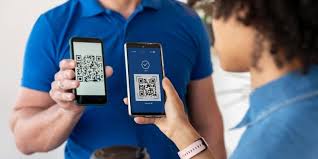
Contactless Everything: With technologies like NFC and QR codes, we’re heading toward a fully contactless payment experience.
-
Super Apps: Platforms like WeChat and Grab are turning digital wallets into all-in-one solutions for communication, shopping, banking, and transportation.
Conclusion
Digital wallets are much more than a payment method—they are transforming the way we interact with money. As they become more secure, accessible, and integrated into our daily lives, digital wallets are poised to play a central role in the global shift toward digital finance.
Whether you’re a consumer seeking convenience, a business looking to streamline operations, or a policymaker aiming to foster inclusion, digital wallets offer immense potential. In a world that’s increasingly going cashless, embracing digital wallets isn’t just a smart move—it’s an inevitable one.