
In an age where digital and mobile transactions are becoming the norm, Google Pay has emerged as a significant player in the mobile payment and digital wallet space. Launched in 2018, Google Pay allows users to make secure payments, whether in-store, online, or within apps, using their smartphones or other Google devices. As mobile payment systems continue to gain momentum, Google Pay stands out as a reliable and efficient method for making payments seamlessly.
This article will explore how Google Pay works, its features, benefits, and security measures, and how this innovative payment system has made transactions easier, faster, and more secure for millions of users worldwide.
What is Google Pay?
Google Pay is a mobile payment platform and digital wallet developed by Google that enables users to make payments through their smartphones, smartwatches, or other compatible devices. The service consolidates both online and in-store payment capabilities, allowing users to make purchases by simply using their Google devices. Google Pay allows consumers to store credit and debit card information, loyalty cards, gift cards, and even transit passes for easy access and secure transactions.
At its core, Google Pay utilizes Near Field Communication (NFC) technology, which allows users to make contactless payments by tapping their devices on NFC-enabled payment terminals. For online transactions, Google Pay simplifies the process by enabling a one-click checkout, eliminating the need to manually enter payment details, making purchases faster and more convenient.
How Does Google Pay Work?
Using Google Pay is simple and easy. The system works in several steps:
1. Setting Up Google Pay
To begin using Google Pay, users need to download the Google Pay app on their smartphone or other compatible devices. Once the app is installed, users can add their credit or debit card details by either scanning the card with the phone’s camera or manually entering the card information. For added convenience, users can also link their Google Pay account to their Google account, which ensures that any saved payment information (from services like Google Play or Google Store) is readily available for use.
After the card details are added, users are prompted to verify the card with their bank or financial institution. Once verification is complete, the card is securely stored in the app, and the user can start making payments using Google Pay.
2. Making In-Store Payments
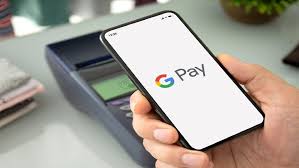
To make in-store purchases, users simply open the Google Pay app and unlock their device. When they are ready to pay, they can tap their phone or smartwatch near the NFC-enabled payment terminal, and the transaction is processed. If they have multiple cards linked to Google Pay, they can select which card they wish to use before completing the payment.
For extra security, Google Pay uses authentication methods such as Fingerprint Scanning, Face Recognition, or PIN codes to authorize the transaction. Once the payment is approved, the transaction is completed, and a confirmation notification is sent to the user.
3. Making Online or In-App Payments
Google Pay isn’t limited to in-store purchases. It can also be used for online and in-app transactions. For example, when shopping on an e-commerce platform or in an app, Google Pay will appear as an option at checkout. The user simply selects Google Pay, verifies the payment with their authentication method (e.g., fingerprint or PIN), and the purchase is complete.
This process eliminates the need to input credit card numbers, addresses, and other personal details every time a user makes a purchase, making it easier and faster to check out while ensuring payment information is securely stored.

Key Benefits of Google Pay
Google Pay has become a popular choice for digital payments due to its ease of use, broad compatibility, and the numerous benefits it offers to consumers. Some of the primary benefits include:
1. Convenience
The convenience of using Google Pay is one of its most significant advantages. With the app, users no longer need to carry physical cards or cash. Everything they need for transactions is stored on their smartphones, making it possible to complete purchases with just a few taps. Whether in-store, online, or within apps, Google Pay simplifies the payment process and reduces the time spent completing transactions.
For those who rely heavily on their mobile devices, having payment methods integrated into their smartphones makes life easier, and the integration with other Google services makes Google Pay a natural choice for many users.
2. Security and Privacy
Security is a top priority for any financial service, and Google Pay uses multiple layers of security to ensure that transactions are safe. Unlike traditional payment methods, Google Pay doesn’t store the user’s credit or debit card information directly on the device. Instead, it uses tokenization, which replaces sensitive card details with a unique, encrypted number (a token). This means that when users make a purchase, their actual card details are never shared with the merchant, minimizing the risk of fraud.
Moreover, Google Pay uses multi-layered security protocols, including device encryption, biometric authentication (such as fingerprint scanning and facial recognition), and PIN codes, to ensure that only the authorized user can access and use the payment platform. The app also features Google’s own security infrastructure, which provides real-time fraud detection and ensures that transactions are secure.
Google Pay also supports two-factor authentication for added security when setting up the app or making changes to your account. This extra layer ensures that users can have peace of mind while using the service.
3. Rewards and Offers
Google Pay makes it easy for users to earn rewards and redeem offers during transactions. Many retailers, both online and in-store, offer exclusive deals, discounts, and loyalty points for users who pay with Google Pay. In addition, the app integrates with Google Pay Offers, allowing users to access and redeem special promotions automatically when making a purchase.
By using Google Pay, users can not only streamline their payment experience but also take advantage of discounts, cash-back offers, and loyalty programs.
4. Contactless and Faster Transactions
One of the most notable benefits of Google Pay is the ability to make contactless payments. NFC technology enables users to make payments with a simple tap of their device, making transactions faster than ever before. In a world where speed is critical, contactless payments save time by eliminating the need to physically swipe or insert cards.
Whether it’s a cup of coffee at a café or a large purchase at a retail store, the contactless feature ensures that payments are completed in seconds, helping reduce long queues and making the entire payment process more efficient.
5. Wide Acceptance and Global Reach
Google Pay is accepted by millions of merchants worldwide, both online and offline. Its widespread adoption means that users can use it to make payments in a variety of locations, including retail stores, restaurants, transportation services, and online shopping websites.
The ability to make international transactions is another strong point of Google Pay. Users can store cards from banks around the world and use them for payments in different currencies. This makes Google Pay a convenient tool for those who travel frequently or make international purchases.
Security Features of Google Pay
Security is a critical component of any payment system, and Google Pay has implemented several key features to protect users’ financial information. These include:
1. Tokenization and Encryption
As mentioned earlier, Google Pay uses tokenization, which substitutes your real card details with a unique token. This means that your credit or debit card information is never stored on the device or shared with merchants. Additionally, Google Pay uses end-to-end encryption to protect all data sent over its network, further minimizing the risk of data breaches.
2. Multi-Layered Authentication
Google Pay uses multi-layered authentication, including biometric authentication (fingerprints or facial recognition) and PIN codes, to authorize payments. This ensures that only the rightful user can make transactions.
3. Real-Time Alerts and Transaction Monitoring
Google Pay provides real-time notifications for all transactions made through the app, allowing users to quickly spot any unauthorized activity. This gives consumers an additional layer of protection and allows them to act swiftly in case of fraud.
4. Secure Cloud Storage
Your card information and transaction history are securely stored in Google’s cloud system, using state-of-the-art encryption techniques. Only authorized users can access this data, ensuring that it is safe from external threats.
Conclusion
Google Pay has fundamentally changed how we make payments in both physical and digital spaces. Its simple, fast, and secure platform makes it a great option for consumers who want to streamline their transactions and manage their finances from their smartphones.
With numerous benefits, such as convenience, security, rewards, and wide acceptance, Google Pay has proven to be a reliable and trustworthy payment platform. As more merchants and service providers adopt Google Pay, it will continue to expand its reach, making digital payments even more accessible to users around the globe.
For anyone looking to simplify their financial transactions and ensure their payment information is secure, Google Pay is a great choice. Whether you’re making an in-store purchase, shopping online, or paying for services, Google Pay provides a seamless experience that fits perfectly into today’s fast-paced, mobile-centric world.