
The British Pound Sterling (GBP) is one of the most recognized and powerful currencies in the world. With a history spanning over 1,200 years, it is the oldest currency still in continuous use. Its influence extends beyond the United Kingdom, playing a significant role in global finance, trade, and economic stability. This article explores the strength, history, and impact of the British Pound in the modern economy.
A Brief History of the Pound Sterling
The Pound Sterling dates back to the 8th century when it was first introduced by Anglo-Saxon England. Over the centuries, the currency has undergone various transformations, including shifts in material from silver to gold and eventually to paper money. In 1694, the Bank of England was established to manage the currency and provide stability to the British economy.
During the 19th and early 20th centuries, the British Empire dominated global trade, and the Pound was the world’s leading reserve currency. It was backed by gold under the Gold Standard, reinforcing its value. However, after World War II, the U.S. dollar replaced the Pound as the primary global currency under the Bretton Woods system.
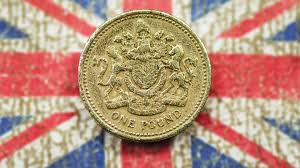
The Strength of the Pound in the Global Economy
Despite losing its position as the world’s leading reserve currency, the Pound remains one of the most traded currencies in the foreign exchange (Forex) market. The GBP is one of the four major currencies, alongside the U.S. dollar (USD), the Euro (EUR), and the Japanese yen (JPY). The London financial market, one of the largest and most influential in the world, strengthens the Pound’s position in international trade and investment.
The Pound is also a strong currency in terms of exchange rate value. It is often stronger than the U.S. dollar and the Euro, making it a preferred currency for investors looking for stability. The UK’s economic policies, financial regulations, and banking system contribute to maintaining its strength.
The British Pound Sterling (GBP) is primarily used in the United Kingdom, but it is also adopted in some British territories and dependencies. Here are the main locations where the currency is used:
1. United Kingdom (UK)
-
England
-
Scotland
-
Wales
-
Northern Ireland
2. Overseas Territories and Crown Dependencies
Although they have their own variants of the British Pound, these regions maintain a 1:1 parity with the UK currency:
-
Channel Islands (Jersey, Guernsey) – Use the Jersey Pound and Guernsey Pound.
-
Isle of Man – Uses the Manx Pound.
-
Gibraltar – Uses the Gibraltar Pound.
-
Falkland Islands – Uses the Falkland Islands Pound.
-
Saint Helena and Ascension – Use the Saint Helena Pound.
Although each territory has its own version of the currency, the UK Pound Sterling is generally accepted in these locations. However, the local variants are not always accepted in the United Kingdom itself.
3. International Use
-
Countries and tourist cities: In some tourist regions around the world, especially in Europe, the British Pound may be accepted as a form of payment, even though it is not the official currency.
-
Financial markets: The British Pound is widely used in international financial transactions and currency exchange markets due to the strength of the UK economy.

The Role of the Pound in International Trade
The British Pound plays a crucial role in international trade, particularly in the Commonwealth nations and financial hubs worldwide. Many global commodities, including oil and gold, are traded in multiple currencies, including the Pound. Additionally, the UK’s financial services sector, which accounts for a significant portion of the country’s GDP, relies heavily on the strength of the Pound.
Foreign investors and businesses value the Pound for its stability and reliability. London is home to many multinational corporations, investment firms, and banking institutions, further solidifying the currency’s impact on global trade.
Challenges and Future Prospects
While the Pound is a strong and influential currency, it faces challenges in the modern economic landscape. The impact of Brexit has led to fluctuations in its value, as the UK navigates new trade agreements and economic policies. Inflation, interest rate changes, and geopolitical uncertainties also affect the Pound’s performance.
Despite these challenges, the Pound remains a resilient currency with a strong foundation. The UK government and the Bank of England continue to implement monetary policies aimed at maintaining its stability. As the global economy evolves, the British Pound is expected to remain a key player in international finance.
Conclusion
The British Pound Sterling is a symbol of economic strength and financial stability. Its rich history, role in global trade, and influence in financial markets make it one of the most powerful currencies in the world. Although it faces challenges, its resilience ensures that it remains a vital component of the international monetary system. Whether as a trading currency, a store of value, or an investment option, the Pound Sterling continues to hold significant power in the global economy.