
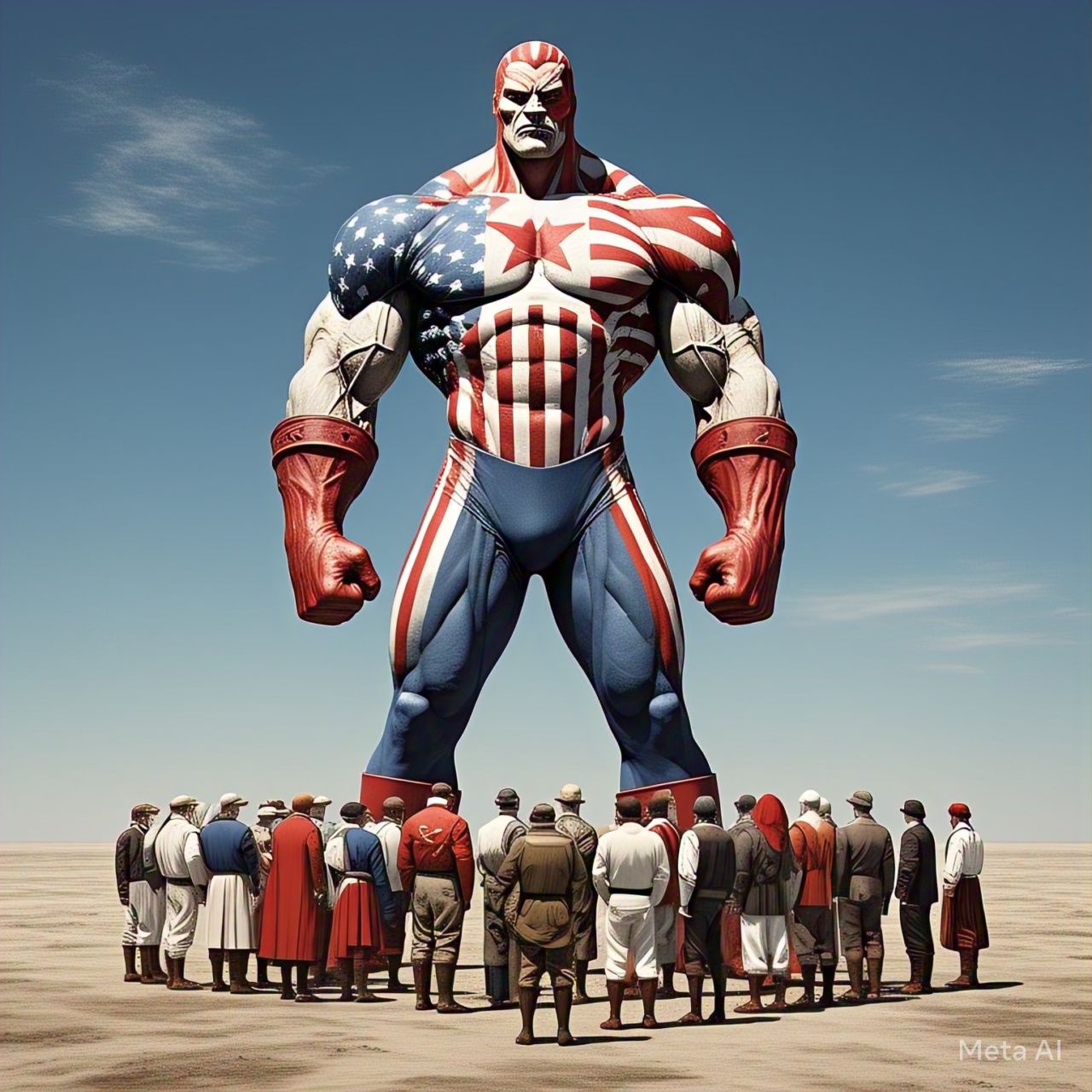
During his presidency, Donald Trump introduced a series of tariffs that dramatically shifted global trade dynamics. These tariffs, part of his broader “America First” economic agenda, were aimed at reducing the U.S. trade deficit, protecting domestic industries, and addressing what he viewed as unfair trade practices by certain countries. While some saw these tariffs as a necessary step to counter global imbalances, others criticized them for sparking trade wars and raising costs for businesses and consumers.
In this article, we’ll take a detailed look at the tariffs imposed by Donald Trump, breaking them down by country and their impact on global trade relations.
1. China: The Epicenter of Trump’s Trade War
The most significant and well-documented tariffs of the Trump administration were directed at China. Starting in 2018, Trump launched a trade war by imposing tariffs on billions of dollars’ worth of Chinese goods, citing intellectual property theft, forced technology transfers, and a massive trade imbalance as key reasons.
Key Tariffs on China:
- First Wave (2018): A 25% tariff on $50 billion worth of Chinese imports, including machinery, electronics, and industrial goods.
- Second Wave: A 10-25% tariff on an additional $200 billion worth of goods, covering consumer products like furniture, electronics, and clothing.
- Third Wave (2019): A 15% tariff on $120 billion of Chinese imports, including food products, footwear, and other everyday items.
Impact:
- China retaliated with its own tariffs on U.S. goods, targeting agricultural products like soybeans, pork, and other exports critical to American farmers.
- U.S. businesses faced higher costs, which were often passed on to consumers.
- The tariffs disrupted global supply chains and created uncertainty in markets.
Despite a “Phase One” trade deal in January 2020, the majority of tariffs remained in place, and tensions between the two economic superpowers persisted.
2. European Union: Targeting Long-Standing Allies
While China was the primary focus of Trump’s tariff policies, the European Union (EU) also became a target. Trump accused the EU of taking advantage of the U.S. in trade deals, particularly in sectors like agriculture and automotive manufacturing.
Key Tariffs on the EU:
- Steel and Aluminum (2018): A 25% tariff on steel and a 10% tariff on aluminum imports from the EU.
- Retaliatory Tariffs (2019): After a World Trade Organization (WTO) ruling on subsidies to Airbus, Trump imposed tariffs on $7.5 billion worth of EU goods. These included a 25% tariff on French wine, Italian cheese, Scotch whisky, and other signature European products.
Impact:
- EU nations retaliated with tariffs on American goods, including Harley-Davidson motorcycles, bourbon whiskey, and orange juice.
- Tensions over trade led to strained diplomatic relations between the U.S. and its European allies.
- Industries reliant on transatlantic trade faced increased costs and uncertainty.
3. Canada and Mexico: Tariffs on Neighbors
Even the U.S.’s closest trading partners, Canada and Mexico, were not spared from Trump’s tariff policies. The renegotiation of NAFTA into the United States-Mexico-Canada Agreement (USMCA) was accompanied by tariffs that caused friction.
Key Tariffs:
- Steel and Aluminum (2018): A 25% tariff on steel and a 10% tariff on aluminum imports from both Canada and Mexico.
- Seasonal Produce Tariffs: Trump threatened tariffs on Mexican tomatoes and other agricultural products, citing concerns over competition with U.S. farmers.
Impact:
- Canada and Mexico retaliated with tariffs on American products, including dairy, whiskey, and agricultural goods.
- The disputes were eventually resolved after the signing of the USMCA in 2020, which included provisions to modernize trade and reduce barriers.
4. Japan and South Korea: Focus on Autos and Trade Imbalances
Japan and South Korea, key U.S. allies in Asia, were also targeted by Trump’s tariffs. The administration focused on reducing trade imbalances and opening up markets for American goods.
Key Tariffs:
- Steel and Aluminum (2018): The same 25% and 10% tariffs on steel and aluminum applied to Japan and South Korea.
- Autos and Auto Parts: Trump repeatedly threatened tariffs on Japanese and South Korean cars, though these were never fully implemented.
Impact:
- South Korea negotiated exemptions by agreeing to revise the existing U.S.-Korea Free Trade Agreement (KORUS), which included increased U.S. auto exports.
- Japan avoided auto tariffs by signing a limited trade deal with the U.S. in 2019, focusing on agricultural products and digital trade.
5. India: Targeting a Rising Economic Power
India, one of the world’s fastest-growing economies, also found itself in Trump’s crosshairs. The administration criticized India for high tariffs on U.S. goods and removed its preferential trade status under the Generalized System of Preferences (GSP).
Key Tariffs:
- Removal from GSP (2019): India lost duty-free access to the U.S. market for $5.6 billion worth of exports.
- Tariffs on Steel and Aluminum: The same 25% and 10% tariffs applied here as well.
Impact:
- India retaliated by imposing tariffs on U.S. goods, including almonds, apples, and walnuts.
- The relationship between the two countries saw increased strain, despite shared strategic interests in the Indo-Pacific region.
6. Brazil and Argentina: Agricultural Competition
Brazil and Argentina became targets of Trump’s tariffs due to their competitive agricultural exports, which Trump claimed were harming American farmers.
Key Tariffs:
- Steel and Aluminum (2018): Both countries faced the standard tariffs but negotiated exemptions in exchange for quotas on exports to the U.S.
- Currency Manipulation Accusations (2019): Trump threatened additional tariffs, accusing both countries of devaluing their currencies to gain a trade advantage.
Impact:
- The tariffs and quotas disrupted trade flows but had limited long-term impact due to exemptions and negotiations.
- Relations between the U.S. and these countries remained relatively stable.
Global Impact: Steel and Aluminum Tariffs
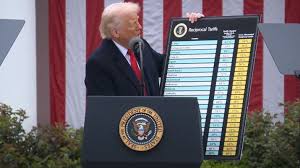
The steel and aluminum tariffs imposed in 2018 were not limited to specific countries. They applied broadly to U.S. trading partners worldwide, with a few exemptions granted through negotiations.
Key Details:
- Steel: 25% tariff on all imports.
- Aluminum: 10% tariff on all imports.
Impact:
- Countries like Turkey and Russia were also heavily affected.
- The global steel market saw price increases, affecting industries reliant on these materials, such as construction and automotive manufacturing.
Criticism and Legacy of Trump’s Tariffs
While Trump’s tariffs were aimed at protecting domestic industries and addressing trade imbalances, they sparked significant criticism:
- Higher Costs for Consumers: Many U.S. businesses passed the increased costs of imported goods onto consumers, leading to higher prices.
- Disrupted Supply Chains: Global supply chains were thrown into disarray, forcing companies to adapt or relocate production.
- Retaliation: Countries targeted by tariffs imposed their own, leading to a cycle of retaliatory measures that hurt American exporters.
However, Trump and his supporters argued that the tariffs were necessary to level the playing field and bring manufacturing jobs back to the U.S.
Conclusion
Donald Trump’s tariffs marked a significant shift in U.S. trade policy, challenging long-standing norms and alliances. While they did succeed in drawing attention to issues like intellectual property theft and trade imbalances, their long-term effectiveness remains a subject of debate. The tariffs undoubtedly reshaped global trade relationships, leaving a lasting impact on how countries negotiate and manage trade disputes.
As the world continues to navigate these changes, the legacy of Trump’s tariffs offers valuable lessons on the complexities of global trade and the unintended consequences of protectionist policies.