
The U.S.-China trade war has been one of the defining economic confrontations of the 21st century. Initiated during the Trump administration through sweeping tariffs on Chinese imports, the United States aimed to combat what it called unfair trade practices, reduce the trade deficit, and bring manufacturing back home. But China, as the world’s second-largest economy and the largest exporter, did not remain passive.
China’s response to U.S. tariffs has been complex, strategic, and multifaceted. From imposing retaliatory tariffs to reshaping global supply chains and investing in self-reliance, China has taken calculated steps to protect its economy, signal resilience, and prepare for a more adversarial global trade environment.
This article explores how China responded to the tariffs imposed by the United States, the economic and geopolitical implications, and what this means for global trade going forward.
The Origins of the U.S.-China Tariff Conflict
To understand China’s response, it’s essential to examine the origins of the conflict.
In 2018, the Trump administration began imposing tariffs on Chinese goods under Section 301 of the Trade Act of 1974, citing unfair trade practices such as:
-
Intellectual property theft
-
Forced technology transfers
-
State subsidies for domestic companies
-
Market access restrictions for foreign firms
By 2019, over $360 billion worth of Chinese goods faced tariffs ranging from 10% to 25%, affecting key sectors like electronics, machinery, furniture, and textiles.
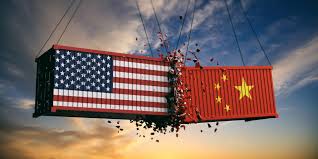
China’s Immediate Response: Retaliatory Tariffs
China’s first and most direct countermeasure was to impose its own tariffs on American goods. These retaliatory tariffs targeted approximately $110 billion worth of U.S. exports.
Targeted Sectors:
-
Agriculture: Soybeans, corn, wheat, pork, and dairy were heavily impacted.
-
Automobiles: Chinese tariffs hit U.S.-made cars and auto parts.
-
Energy: Natural gas and crude oil exports to China slowed significantly.
By targeting U.S. agricultural products, China struck where it would hurt politically. Many of the hardest-hit states were strongholds of Trump’s voter base. In response, the U.S. government implemented multi-billion-dollar subsidies to support affected American farmers.
Trade Diversion and Supply Chain Realignment
Rather than simply absorbing the higher costs of U.S. tariffs, China began diversifying its sources of imports and rerouting its exports through third countries to reduce tariff exposure.
Key strategies included:
-
Import substitution: Sourcing soybeans and other agricultural products from Brazil, Argentina, and Russia.
-
Supply chain relocation: Encouraging Chinese firms to shift assembly and production to Southeast Asia (Vietnam, Malaysia, Thailand) to avoid direct tariffs.
-
Investment in domestic production: Boosting domestic capacity in high-tech sectors to reduce dependency on American technology.
These moves not only mitigated the impact of U.S. tariffs but also strengthened China’s economic relationships with emerging markets and its regional neighbors.
Legal Challenges and WTO Involvement
China also responded by turning to international institutions. In 2018, it filed a complaint against the U.S. at the World Trade Organization (WTO), arguing that the tariffs violated global trade rules.
In 2020, the WTO sided with China, stating that U.S. tariffs were inconsistent with its obligations under WTO agreements. However, this decision had limited impact, as the WTO lacks strong enforcement mechanisms, and the U.S. rejected the ruling.
Nevertheless, the move signaled China’s commitment to multilateralism and international trade norms, positioning itself as a defender of global rules-based order—despite its own controversial practices.