
In recent years, the financial world has undergone a significant transformation driven by technology and data. One of the most impactful developments is Open Banking—a concept that has started reshaping how individuals and businesses manage their finances, interact with banks, and access financial services. But what exactly is Open Banking? How does it work? And most importantly, how can it change your financial life?
This article breaks down the concept of Open Banking in simple terms, explores its benefits and risks, and discusses how it is transforming the financial landscape.
What is Open Banking?
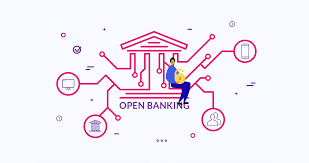
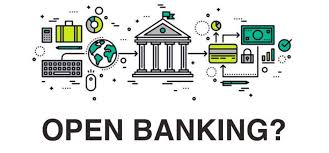
Open Banking is a system that allows banks and other financial institutions to share customer financial data—with the customer’s explicit consent—with third-party providers via secure APIs (Application Programming Interfaces). The goal is to promote competition, innovation, and better services in the financial sector.
The concept began gaining traction in Europe and the UK with regulations such as the Revised Payment Services Directive (PSD2) and the Open Banking Standard. It has since spread globally, with countries like Brazil, Australia, Canada, and the United States developing their own frameworks.
In essence, Open Banking turns your bank account into something you can connect to other apps and services—just like how you connect your social media account to a mobile app.
Key Features of Open Banking:
-
Data Sharing with Consent: Your bank cannot share your data without your permission.
-
Secure APIs: Information is exchanged using safe, standardized technology.
-
Third-party Access: Fintech companies, budgeting apps, credit platforms, and even other banks can use your data to provide services.
How Does Open Banking Work?
When you authorize a third-party provider to access your banking data, they can view information like your account balances, transaction history, or even initiate payments on your behalf. This is all done securely through APIs and under strict regulations designed to protect your privacy.
For example, let’s say you use a budgeting app that connects to your bank. With Open Banking, the app can automatically track your spending, categorize your transactions, and give you personalized insights—all in real-time.
The process typically looks like this:
-
User Consent: You grant permission to a third party to access your financial data.
-
Data Access: The third-party application connects securely to your bank via an API.
-
Service Delivery: The app uses your data to provide tailored financial services.
Benefits of Open Banking
Open Banking offers a wide range of advantages for consumers, businesses, and financial institutions. Here are some of the most significant:
1. Better Financial Management
By connecting your accounts to personal finance tools, you can gain deeper insight into your income, spending habits, debt, and savings. Open Banking makes it easier to visualize your financial life in one place, even if you use multiple banks.
Budgeting apps like Mint or Yolt use Open Banking to provide personalized dashboards and financial goals based on real data.
2. More Competitive Financial Products
Open Banking increases transparency, allowing users to compare financial products more easily. Lenders can access your real-time financial data (with permission), leading to more accurate risk assessments and potentially better interest rates for consumers.
Instead of manually providing payslips and bank statements, you can give a lender secure access to your account data for faster loan approval.
3. Simplified Payments and Transfers
With Open Banking, payments can be initiated directly from your bank account via third-party services, skipping traditional card networks. This can reduce fees, increase speed, and improve security.
For example, paying a bill through a utility company’s app that directly connects to your bank account can be faster and more efficient than entering card details.
4. Improved Access to Credit
For people with limited credit history, traditional scoring models may not offer a complete picture. Open Banking allows lenders to look at a broader set of financial data, such as regular income and bill payments, providing better credit access to underserved populations.
5. Innovation and Customization
Fintech companies are using Open Banking to build innovative services that are more personalized and user-friendly. From AI-driven financial advisors to smart investment platforms, the possibilities are expanding rapidly.
Real-Life Examples of Open Banking in Action
-
Budgeting Apps: Automatically categorize and analyze your spending habits.
-
Credit Platforms: Offer tailored loans or credit cards based on your actual income and spending.
-
Robo-Advisors: Create personalized investment strategies using your financial data.
-
Small Business Tools: Help manage cash flow, invoices, and taxes by integrating multiple bank accounts and payment systems.
Potential Risks and Concerns
While Open Banking offers many benefits, it also introduces new risks that must be managed carefully.
1. Privacy and Data Security
Sharing sensitive financial data comes with inherent risks. While APIs are generally secure, there is always the potential for misuse if data falls into the wrong hands or if users grant access to untrustworthy providers.
To mitigate this, users should:
-
Only use authorized third-party providers
-
Regularly review and revoke access for unused services
-
Understand what data is being shared and for what purpose
2. Fraud and Scams
As with any online financial system, Open Banking can be a target for fraudsters. Fake apps or phishing scams may attempt to gain unauthorized access to user data.
Education and awareness are essential. Regulatory bodies and banks often provide resources to help users recognize legitimate providers and secure their accounts.
3. Limited Understanding
Many consumers are still unaware of Open Banking or do not fully understand how it works. This knowledge gap can lead to hesitation in adopting the technology or misuse of data-sharing permissions.
It’s crucial for banks, fintechs, and regulators to invest in customer education and transparency.
How Open Banking is Changing Financial Services
Open Banking is not just a trend—it represents a fundamental shift in the way financial services are delivered and consumed.
-
Banks are becoming platforms: Rather than being the sole providers of financial services, banks are opening up to act as platforms where fintechs can plug in and offer additional value.
-
Consumers are gaining power: Data is now controlled by the user, not the bank. This shift increases competition and puts more power in the hands of consumers.
-
New business models are emerging: Subscription-based personal finance apps, pay-per-use credit scoring, and integrated financial services are now viable thanks to Open Banking.

What Does the Future Hold?
As Open Banking continues to evolve, its influence will expand into related areas such as:
-
Open Finance: Extending the concept beyond banks to include pensions, investments, and insurance.
-
Embedded Finance: Seamlessly integrating financial services into non-financial platforms, such as e-commerce or ride-sharing apps.
-
Data Portability: Empowering users to move their financial data freely between providers, enhancing competition and personalization.
Countries around the world are at different stages of Open Banking adoption. In places like the UK and Brazil, frameworks are already well-developed. Others are exploring pilot programs or voluntary participation.
Regardless of location, one thing is clear: Open Banking is here to stay, and it will continue shaping the future of finance.
Final Thoughts
Open Banking is a groundbreaking development that holds the potential to make financial services more inclusive, efficient, and tailored to individual needs. By giving you control over your financial data and the power to share it securely with innovative providers, it opens the door to a smarter, more connected financial life.
However, with great power comes great responsibility. Understanding how Open Banking works and how to use it safely is crucial to unlocking its full potential. As adoption grows and more players enter the space, the financial industry will become more competitive—and hopefully, more customer-centric.
Whether you’re a tech-savvy early adopter or just starting to explore digital finance, Open Banking offers tools and opportunities that could truly transform your financial future.