
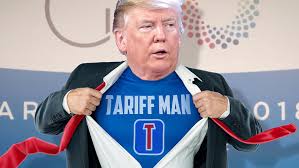
The term “Tariff Man” became synonymous with former President Donald Trump during his time in office, particularly as he waged a high-profile trade war with China and introduced sweeping tariffs on a range of imported goods. Whether one sees these policies as protectionist or patriotic, the goal behind them was clear: to support American industries, reduce trade deficits, and bring manufacturing jobs back home.
In this article, we will explore how Trump’s tariff policies were designed to help the United States, the rationale behind them, and their broader implications for the economy, international trade, and global supply chains.
What Are Tariffs?
Before diving into the Trump administration’s approach, it’s essential to understand what tariffs are. Tariffs are taxes imposed on imported goods, usually as a percentage of the product’s price. They can serve multiple purposes, including:
-
Raising revenue for the government
-
Protecting domestic industries by making imported goods more expensive
-
Retaliating against unfair trade practices by other countries
Tariffs increase the cost of foreign products, ideally making domestically produced alternatives more attractive to consumers.
The Rationale Behind Trump’s Tariff Strategy
When Donald Trump entered office in 2017, he pledged to prioritize American workers and industries. One of his administration’s primary tools for achieving that was the use of tariffs. Here’s a breakdown of how Trump believed tariffs would help the United States:
1. Reviving American Manufacturing
Over the past few decades, the U.S. witnessed a decline in manufacturing jobs, particularly in sectors like steel, automotive, and electronics. Trump argued that unfair trade practices and reliance on cheap foreign labor, especially from China and Mexico, had hollowed out American manufacturing.
By imposing tariffs, especially on imported steel and aluminum, Trump aimed to:
-
Make American-made products more competitive
-
Encourage companies to relocate production back to the U.S.
-
Create incentives for domestic investment in industrial sectors
2. Reducing the Trade Deficit
The U.S. trade deficit—particularly with China—was a major talking point. In 2018, the U.S. trade deficit with China peaked at over $400 billion. Trump viewed this as evidence of imbalanced trade, where the U.S. imported significantly more than it exported.
Tariffs were used to:
-
Pressure trading partners into buying more American goods
-
Create leverage in renegotiating trade deals
-
Discourage excessive imports, especially of consumer electronics and machinery
3. Protecting National Security
The Trump administration argued that certain imports posed national security risks. For example, steel and aluminum are vital materials for defense and infrastructure. Relying on foreign producers for these materials could compromise the country’s readiness in times of crisis.
Tariffs under Section 232 of the Trade Expansion Act were justified on these grounds, primarily targeting steel and aluminum imports from countries including China, Canada, and the EU.
Key Tariff Moves During the Trump Administration
1. China Trade War
Trump’s most significant trade battle was with China. Over several rounds, his administration imposed tariffs on more than $360 billion worth of Chinese goods. In response, China retaliated with tariffs on U.S. exports such as soybeans, pork, and automotive products.
The core issues behind this trade war included:
-
Intellectual property theft
-
Forced technology transfers
-
Industrial subsidies given to Chinese state-owned enterprises
-
Currency manipulation
By applying economic pressure, Trump aimed to force China into changing what he considered predatory trade practices.
2. Steel and Aluminum Tariffs
In 2018, the Trump administration imposed a 25% tariff on steel and a 10% tariff on aluminum from multiple countries, including traditional allies such as Canada and the EU. The goal was to revitalize domestic producers and reduce dependency on foreign metals.
While some allies were eventually granted exemptions, the move sent a clear message: economic nationalism was a central pillar of Trump’s policy.
3. USMCA – The New NAFTA
Another major achievement cited by the Trump administration was the replacement of NAFTA with the United States-Mexico-Canada Agreement (USMCA). While technically not a tariff, it was heavily influenced by the pressure created through tariffs and the threat of more.
The USMCA included:
-
Stronger labor protections
-
Local content requirements for automobiles
-
Updated digital trade rules
This agreement was designed to favor U.S. workers and manufacturers more than its predecessor.
How Tariffs Aim to Help the U.S. Economy
1. Job Creation
In theory, tariffs can protect domestic industries from cheaper foreign competition, helping preserve or create jobs in manufacturing sectors. For instance:
-
U.S. steel production increased in the years following the tariffs.
-
Some factories reopened or expanded operations in response to reduced competition.
However, it’s worth noting that job gains were often offset by losses in industries that rely on imported materials or were hit by retaliatory tariffs.
2. Increased Investment
Companies often react to tariffs by reshoring production or investing in domestic facilities to avoid added costs. The Trump administration highlighted cases where foreign and domestic companies announced new factories or expansions in the U.S., especially in steel, auto parts, and electronics.
3. Leverage for Better Trade Deals
Tariffs were used not only as economic tools but also as negotiating weapons. Trump’s approach to international relations was transactional, and tariffs allowed the U.S. to:
-
Extract better terms in trade agreements
-
Push partners to open markets to American products
-
Address longstanding grievances, particularly with China
The Costs and Controversies
Despite their intended benefits, Trump’s tariffs were not without controversy. Critics argued that they led to:
-
Higher prices for American consumers and businesses
-
Retaliation from foreign governments, hurting U.S. farmers and exporters
-
Disruption of global supply chains
-
Uncertainty in financial markets
For example, the U.S. agricultural sector faced severe impacts when China retaliated with tariffs on soybeans and pork. The Trump administration responded with subsidy programs to support farmers, which cost taxpayers billions of dollars.
Additionally, companies that rely on imported parts—such as car manufacturers—faced increased costs, potentially reducing competitiveness and leading to job cuts in other sectors.
Did the Tariffs Work?
The effectiveness of Trump’s tariffs depends on the metrics used. Here’s a mixed picture:
-
Trade deficit: It declined briefly but returned to previous levels by 2020.
-
Manufacturing jobs: There were modest gains, but the pandemic reversed many of them.
-
China trade behavior: Some commitments were made in the “Phase One” deal, but structural issues remain.
-
Public opinion: Among Trump’s base, tariffs were seen as strong leadership. Among economists, opinions were more skeptical.
Regardless of their measurable success, the tariffs changed the tone and tools of U.S. trade policy, signaling a shift away from globalist free trade ideals and toward economic nationalism.
Long-Term Impact and Future Outlook
Trump’s tariff policies sparked a broader conversation about the costs and consequences of globalization. Many politicians, even in the opposing Democratic Party, now acknowledge the need for stronger domestic industry protections and more assertive trade strategies.
Even under President Joe Biden, many of the tariffs introduced during Trump’s term have remained in place, reflecting a bipartisan recognition of the challenges posed by China and the strategic importance of manufacturing resilience.
Going forward, tariffs may continue to be used as part of a broader strategy that includes:
-
Domestic industrial policy
-
Investment in infrastructure and innovation
-
Workforce training and education
Conclusion
The “Tarifaço” imposed by Donald Trump marked a dramatic shift in U.S. economic policy, aiming to put American workers and industries first. While the outcomes have been mixed and the costs significant, the legacy of these policies is clear: tariffs are once again a mainstream tool of American economic strategy.
Whether one agrees with the approach or not, Trump’s tariffs forced a national and global reckoning with the realities of free trade, outsourcing, and economic interdependence. In doing so, they reshaped how America thinks about trade, sovereignty, and self-sufficiency in the 21st century.