
In a world increasingly focused on technology, finance is also experiencing a significant transformation. Among the most exciting innovations are blockchain credit cards, which combine the familiar world of credit cards with the powerful capabilities of blockchain technology. If you’re curious about this new payment method, you’ve come to the right place! In this article, we will explore how blockchain credit cards work, their benefits, and what they mean for the future of payment systems.
What is Blockchain?
Before we dive into blockchain credit cards, let’s briefly explain what blockchain is. At its core, blockchain is a decentralized digital ledger that records transactions across many computers in a way that ensures security, transparency, and immutability. This means that once information is added to a blockchain, it cannot be changed or deleted, making it a reliable way to track information.
The most famous application of blockchain technology is Bitcoin, the first cryptocurrency, but its uses extend far beyond digital currencies. Blockchain can facilitate various types of transactions, from real estate transfers to secure voting systems.
What Are Blockchain Credit Cards?
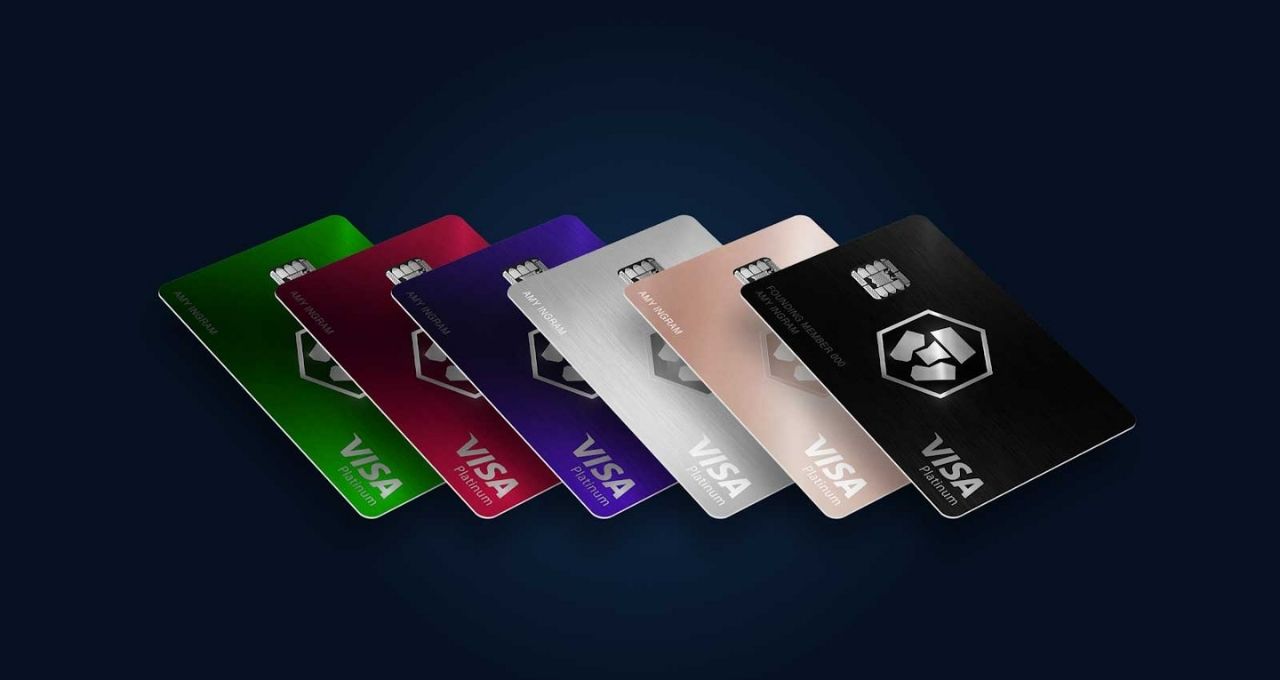
Blockchain credit cards are a novel concept that merges traditional credit card functionalities with blockchain technology. Unlike standard credit cards issued by banks, blockchain credit cards operate on a decentralized network. This allows users to spend cryptocurrencies directly, offering an alternative way to make purchases both online and in-person.
These cards provide consumers an easy interface for managing digital assets while maintaining the familiar feel of credit cards. Instead of converting cryptocurrencies to fiat currency (like the US dollar or Euro) for transactions, users can spend their digital currency directly from their blockchain wallet.
How Do Blockchain Credit Cards Work?
1. Linking a Blockchain Wallet
The first step in using a blockchain credit card is to link it to a blockchain wallet. A blockchain wallet is a digital wallet that allows you to store, send, and receive cryptocurrencies. Various wallets are available, some of which are hardware (physical devices) and others that are software-based (applications).
Once you link your wallet to the blockchain credit card, the funds in your wallet will be available for spending. The card essentially acts as a bridge between your blockchain wallet and the merchant’s payment system.
2. Making Transactions
When you make a purchase using a blockchain credit card, the process is quite simple:
- Swipe or Tap: Just like traditional credit cards, you can swipe or tap your blockchain credit card at a point-of-sale terminal or online checkout.
- Conversion: The payment processor linked to the card converts the cryptocurrency into the relevant fiat currency for the merchant instantly. For example, if you’re using Bitcoin to make a purchase, the card will convert the amount based on the current exchange rate before the transaction is completed.
- Transaction Confirmation: The transaction is then recorded on the blockchain, ensuring security and transparency.
3. Fees and Charges
While blockchain credit cards provide an innovative way to spend cryptocurrencies, it’s essential to consider fees. Depending on the provider, there may be transaction fees for converting cryptocurrency to fiat, monthly maintenance fees, and foreign transaction fees. It’s always good to review the terms before getting a blockchain credit card.
Benefits of Blockchain Credit Cards
1. Seamless Access to Cryptocurrency Funds
One of the primary advantages of blockchain credit cards is the seamless access they provide to your cryptocurrency funds. Instead of having to transfer your digital assets to a traditional bank account, you can use them directly for purchases.
2. Enhanced Security
Blockchain technology offers enhanced security features. Transactions are encrypted, and the decentralized nature of the blockchain ensures there is no single point of failure or attack. This makes it significantly harder for hackers to compromise your funds.
3. Potential for Lower Fees
Traditional credit card companies typically charge fees for each transaction processed. Blockchain credit cards may have lower fees, especially for international transactions, as they eliminate the need for intermediary banks. However, it’s essential to compare different providers to understand their fee structures.
4. Global Reach
Blockchain credit cards can facilitate transactions across borders more easily than traditional systems. As cryptocurrencies are not bound by country-specific regulations, users can spend their assets without worrying about exchange rates or conversion fees—ideal for travelers!
5. Rewards and Incentives
Some blockchain credit cards offer rewards programs similar to traditional credit cards. You might earn cash back, discounts, or even additional cryptocurrency for your purchases, making it an attractive option for users who want to maximize their spending.
Challenges of Blockchain Credit Cards
While blockchain credit cards present many benefits, they are not without challenges.
1. Market Volatility
The value of cryptocurrencies can fluctuate dramatically over short periods. This volatility can create uncertainty for users when making purchases, as the amount of cryptocurrency needed for a transaction can change rapidly.
2. Regulatory Hurdles
The legal and regulatory frameworks surrounding cryptocurrencies are still evolving. Regulations may impact how blockchain credit cards operate, affecting their adoption and usage
Conclusion
Blockchain credit cards represent an exciting intersection between traditional finance and cutting-edge technology. By leveraging the benefits of blockchain, these cards offer consumers a novel way to access and use their cryptocurrencies seamlessly. The ability to make instant transactions without the need for currency conversion, enhanced security features, and the potential for lower fees are compelling reasons for users to explore this modern payment method.
However, as with any emerging technology, challenges remain. Market volatility can create uncertainty for users, and evolving regulatory landscapes may impact the broader adoption of blockchain credit cards. As the industry matures, it will be crucial for consumers to stay informed about these developments.
As digital currencies continue gaining traction and becoming more mainstream, blockchain credit cards could significantly reshape how we approach payments. For those looking to embrace the future of finance, understanding and utilizing blockchain credit cards may be a vital step in navigating the increasingly digital economy.