
The Omani Rial (OMR) is the official currency of Oman, a prosperous country in the Arabian Peninsula. Known for its stability and high value compared to other global currencies, the Omani Rial plays a crucial role in the country’s economy. Whether you are planning to visit Oman, conduct business, or are simply curious about different currencies, understanding the Omani Rial is essential. This article explores the history, denominations, exchange rates, and significance of the Omani Rial in the global economy.
History of the Omani Rial
Before the introduction of the Omani Rial, Oman used several different currencies. Until 1940, the Indian Rupee and Maria Theresa Thaler (a silver coin) were commonly used. Later, the Gulf Rupee, issued by the Indian government, became the official currency until 1970.
In 1970, Sultan Qaboos bin Said came to power and introduced significant economic reforms, including the introduction of a new national currency. The Omani Rial replaced the former currency, the Saidi Rial, in 1973. The new currency was introduced to establish economic independence and align Oman’s financial system with international standards.
Denominations of the Omani Rial
The Omani Rial is abbreviated as OMR and is divided into 1,000 baisas. It is available in both coins and banknotes:
Coins
- 5 baisa
- 10 baisa
- 25 baisa
- 50 baisa
- 100 baisa (rarely used as coins; mostly seen in banknotes)
Banknotes
- 1 Rial
- 5 Rials
- 10 Rials
- 20 Rials
- 50 Rials
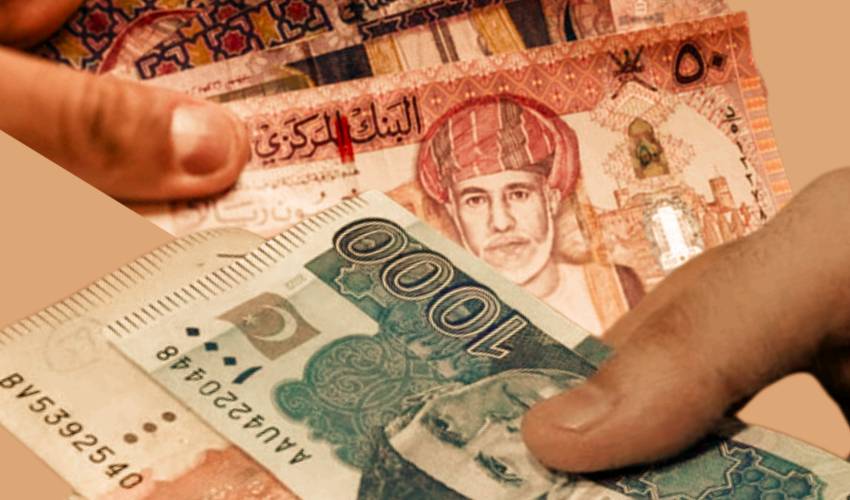
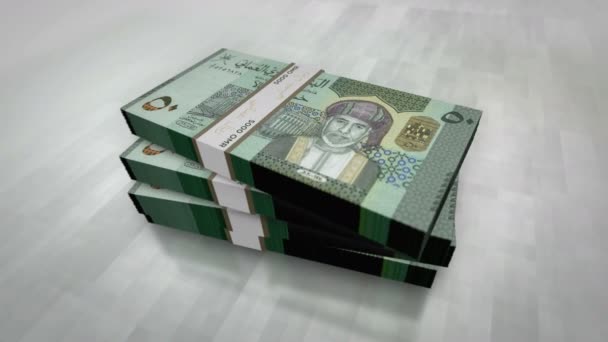
Each banknote features images of important Omani landmarks, historical figures, and cultural symbols. The notes are designed with high-security features to prevent counterfeiting.
Exchange Rate and Value
The Omani Rial is one of the highest-valued currencies in the world. It is pegged to the US Dollar (USD) at a fixed rate of approximately 1 OMR = 2.60 USD. This high value is due to Oman’s stable economy, strong oil exports, and conservative fiscal policies.
When exchanging Omani Rials, it is advisable to check with banks or authorized exchange centers for the best rates. Many international banks and currency exchange services provide OMR exchange facilities, especially in regions with significant business ties to Oman.
Why Is the Omani Rial So Strong?
Several factors contribute to the strength of the Omani Rial:
- Oil and Gas Revenue – Oman is rich in oil and gas, which form the backbone of its economy. The revenue generated from these exports helps maintain a strong and stable currency.
- Fixed Exchange Rate – By pegging the Rial to the US Dollar, Oman ensures economic stability, avoiding the volatility seen in floating exchange rate systems.
- Government Fiscal Policies – The Omani government implements strict financial regulations and monetary policies to maintain currency stability.
- Limited Circulation – The Omani Rial is not as widely circulated globally as other major currencies, reducing the risk of inflation and devaluation.
Using the Omani Rial in Oman
The Omani Rial is the primary currency used in all transactions within Oman. Here are some essential tips for using OMR:
- ATMs and Credit Cards: ATMs are widely available, and credit/debit cards are accepted in most businesses, hotels, and restaurants.
- Cash Transactions: Smaller shops, local markets, and taxis may prefer cash payments, so it is advisable to carry some Rials for convenience.
- Tipping Culture: While tipping is not mandatory, it is appreciated in restaurants and for services such as hotel assistance.
- Counterfeit Awareness: Due to its high value, the Omani government has introduced security features like watermarks, color-shifting ink, and holograms to prevent counterfeiting. Always verify banknotes when receiving change.
The Omani Rial in the Global Economy
Despite being a relatively small country, Oman plays a crucial role in international trade, particularly in energy markets. The stability of the Omani Rial allows for predictable trade agreements, making it a favorable currency for international business transactions within the region.
Moreover, Oman is a popular destination for expatriates, including workers from South Asia and Western countries. Many expatriates earn salaries in OMR and remit money to their home countries, creating a demand for OMR exchange services worldwide.
Future of the Omani Rial
With ongoing economic diversification efforts in Oman, the future of the Omani Rial remains stable. The government has been investing in non-oil sectors such as tourism, technology, and manufacturing to reduce dependence on oil revenues. These initiatives aim to sustain the strength of the Rial and ensure long-term economic stability.
However, global economic conditions, including oil price fluctuations and international trade agreements, could influence the value and policies related to the Omani Rial in the coming years. Nevertheless, Oman’s prudent financial strategies suggest that the Rial will remain one of the world’s strongest currencies for the foreseeable future.
Conclusion
The Omani Rial is a symbol of economic stability and national pride for Oman. Its high value, fixed exchange rate, and strong backing by oil revenues make it one of the world’s most valuable currencies. Whether you are visiting Oman or engaging in business transactions, understanding the Omani Rial will help you navigate the country’s financial landscape with ease.
If you plan to visit Oman, make sure to familiarize yourself with the local currency and exchange procedures to ensure a smooth financial experience. The Omani Rial’s strength reflects the country’s stable and prosperous economy, making it a fascinating currency to explore.
Have you ever used the Omani Rial? Share your experiences and thoughts in the comments below!