
In today’s financial landscape, having a good credit history is essential. Whether you’re applying for a loan, renting an apartment, or even securing a job, your credit history plays a significant role in determining your financial credibility. A solid credit history reflects your ability to manage money responsibly and repay debts on time, which makes you a trustworthy borrower in the eyes of lenders. But how do you go about building a good credit history, especially if you’re just starting out or trying to repair a damaged one? In this article, we’ll explore the importance of credit, the benefits of maintaining a strong credit record, and practical steps you can take to establish and maintain good credit.
Why Is Credit History Important?
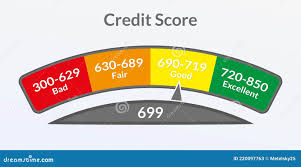
Your credit history is essentially a record of how you’ve handled borrowed money in the past. It’s tracked and compiled into a credit report by credit bureaus, and it’s summarized in a credit score—a three-digit number that represents your creditworthiness. A strong credit history and score can open doors to better financial opportunities, such as:
- Easier Loan Approvals: Lenders are more likely to approve loans or credit cards for individuals with good credit.
- Lower Interest Rates: A strong credit score often qualifies you for lower interest rates, saving you money in the long run.
- Access to Better Financial Products: Good credit can give you access to premium credit cards and higher loan limits.
- Employment Opportunities: Some employers check credit reports as part of the hiring process, especially for roles involving financial responsibility.
- Housing Options: Landlords often review credit history to determine whether you’re a responsible tenant.
A good credit history isn’t built overnight, but with the right strategies and consistent effort, you can establish and maintain a strong financial reputation.
Steps to Build a Good Credit History
If you’re new to credit or looking to improve your credit history, here are some actionable steps to help you get started:
1. Understand How Credit Works
Before diving in, it’s essential to understand the basics of how credit works. Your credit report includes information about your credit accounts, payment history, credit inquiries, and outstanding debts. This data is used to calculate your credit score, which is influenced by five key factors:
- Payment History (35%): Whether you pay your bills on time.
- Credit Utilization (30%): The percentage of your available credit that you’re using.
- Credit History Length (15%): How long you’ve had credit accounts.
- Credit Mix (10%): The variety of credit accounts you have (e.g., credit cards, loans).
- New Credit (10%): How often you apply for new credit.
Understanding these factors can help you focus on the areas that matter most when building your credit.
2. Start With a Secured Credit Card
If you’re new to credit, applying for a secured credit card is a great way to get started. A secured credit card requires a cash deposit as collateral, which reduces risk for the lender. Use the card for small, manageable purchases and pay off the balance in full each month. Over time, this responsible behavior will help you establish a positive credit history.
3. Become an Authorized User
Another way to build credit is by becoming an authorized user on someone else’s credit card account, such as a parent or spouse. As an authorized user, you’ll benefit from the account’s positive payment history, which can boost your credit score. However, it’s important to choose someone who has a good credit history and manages their account responsibly.
4. Pay Your Bills on Time
Payment history is the most significant factor in your credit score, so it’s crucial to pay all your bills on time. This includes not only credit card and loan payments but also utility bills, rent, and other recurring expenses. Consider setting up automatic payments or reminders to ensure you never miss a due date.
5. Keep Your Credit Utilization Low
Credit utilization refers to the percentage of your available credit that you’re using. For example, if you have a credit card with a $1,000 limit and a $300 balance, your credit utilization rate is 30%. Aim to keep your credit utilization below 30%—and ideally below 10%—to demonstrate responsible credit management.
6. Avoid Applying for Too Much Credit at Once
Each time you apply for credit, a hard inquiry is added to your credit report, which can temporarily lower your score. Applying for multiple credit accounts in a short period can signal financial instability to lenders. Be selective about the credit you apply for and space out your applications.
7. Build a Mix of Credit Accounts
While you don’t need to open multiple accounts at once, having a mix of credit types—such as a credit card, an auto loan, or a personal loan—can improve your credit score. This demonstrates your ability to manage different types of credit responsibly.
8. Monitor Your Credit Report
Regularly reviewing your credit report is essential for tracking your progress and identifying errors. You’re entitled to a free credit report from each of the three major credit bureaus (Equifax, Experian, and TransUnion) once a year through AnnualCreditReport.com. Look for inaccuracies, such as accounts you don’t recognize, and dispute them if necessary.
9. Be Patient
Building a good credit history takes time, especially since the length of your credit history is a factor in your score. Stay consistent with your efforts, and over time, you’ll see the results of your responsible credit habits.
Common Mistakes to Avoid
While working on building your credit, it’s essential to avoid common pitfalls that can harm your progress, such as:
- Missing Payments: Even one late payment can significantly impact your credit score.
- Closing Old Accounts: Length of credit history matters, so keeping older accounts open (even if you’re not using them) can benefit your score.
- Ignoring Debt: If you have existing debt, create a repayment plan to address it, rather than avoiding it.
Conclusion
Building a good credit history is a gradual process that requires discipline, consistency, and financial awareness. By understanding how credit works, using credit responsibly, and avoiding common mistakes, you can establish a strong credit foundation that will serve you well throughout your life. Remember, good credit opens doors to financial opportunities, from lower interest rates to better housing options and even career advancements. Start taking small, intentional steps today, and over time, you’ll enjoy the benefits of a solid credit history.