
In an increasingly digital and fast-paced world, protecting your finances is more critical than ever. Whether you’re dealing with online banking, investing, or simply saving for the future, ensuring your money is secure should be a top priority. Financial scams, identity theft, and poor planning can put your hard-earned resources at risk.
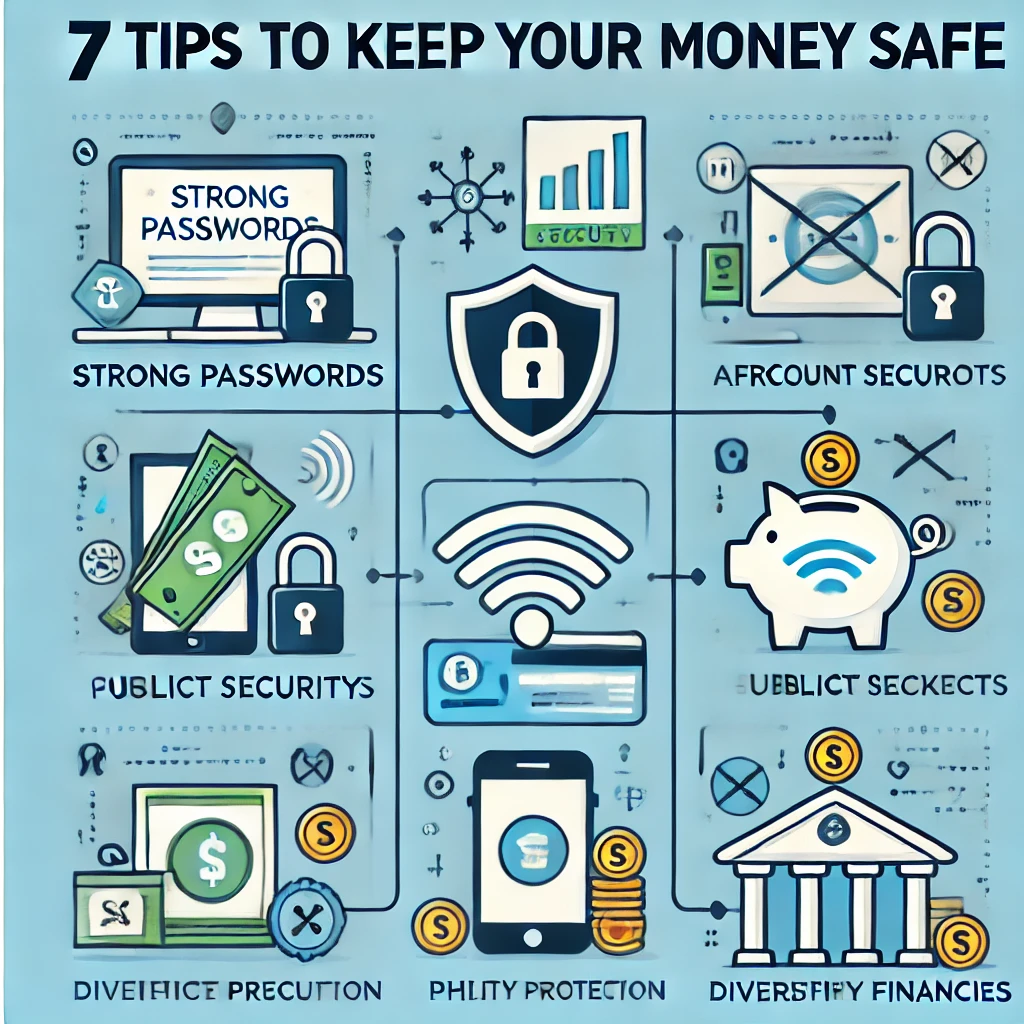
To help you take control of your financial security, here are seven essential steps to effectively protect your money.

1. Set Strong Passwords and Enable Two-Factor Authentication (2FA)
The first and most vital step in keeping your money safe is securing your online accounts. Weak or reused passwords make you an easy target for hackers. Instead, create strong passwords using a mix of uppercase and lowercase letters, numbers, and symbols. Avoid using personal information, such as your name or birthdate.
Beyond strong passwords, enable Two-Factor Authentication (2FA) on all your financial accounts. This extra layer of security requires you to verify your identity using a second factor, such as a code sent to your phone or email, before accessing your account. Even if someone steals your password, they won’t be able to bypass 2FA without access to your second device.
2. Monitor Your Accounts Regularly
Keeping a close eye on your bank accounts, credit cards, and investment portfolios is one of the simplest ways to detect fraudulent activity early. Make it a habit to review your statements at least once a week for any unauthorized transactions or discrepancies. Many banks and financial apps offer transaction notifications, which can help you spot issues in real time.
If you notice anything suspicious, report it to your financial institution immediately. The faster you act, the more likely you are to recover lost funds or prevent further damage.
3. Avoid Public Wi-Fi for Banking Transactions
Public Wi-Fi networks may be convenient, but they are far from secure. Hackers can easily intercept data transmitted over these networks, including sensitive financial information. If you need to access your banking app or make an online purchase, always use a private and trusted internet connection.
For added security, consider using a Virtual Private Network (VPN) when accessing financial services online. A VPN encrypts your internet connection, making it much harder for cybercriminals to intercept your data.
4. Watch Out for Phishing Scams
Phishing scams are one of the most common ways people fall victim to financial fraud. Cybercriminals send fake emails, text messages, or phone calls pretending to be from your bank, credit card company, or even government agencies. These messages often ask you to click a link or provide confidential information, such as your Social Security number or account details.
To avoid phishing scams, always verify the source of any message. Look for telltale signs of fraud, such as spelling errors, generic greetings (e.g., “Dear Customer”), or suspicious links. When in doubt, contact your financial institution directly using official contact information, not the details provided in the email or text.
5. Diversify Your Financial Resources
Keeping all your money in one place can be risky. While it may seem convenient to have a single savings or checking account, diversifying your financial resources minimizes potential threats. For example, if one account is compromised, you’ll still have access to funds in another account.
Consider spreading your money across multiple accounts with reputable banks. If you’re investing, diversify your portfolio to reduce risk. Having a mix of savings, investments, and emergency funds ensures you’re better prepared for unexpected financial challenges.
6. Keep Your Devices Secure
Your smartphone, laptop, and other devices often serve as gateways to your financial accounts. If they are not secure, neither is your money. Start by installing antivirus and anti-malware software to protect against cyber threats. Ensure your devices are updated regularly, as software updates often include security patches for vulnerabilities.
Additionally, lock your devices with passwords, biometric authentication (such as fingerprints), or PINs to prevent unauthorized access. If your device is lost or stolen, these measures can prevent others from accessing your sensitive data.
7. Build an Emergency Fund
While it may not seem directly related to security, an emergency fund is a crucial step in protecting your financial well-being. Life is unpredictable—unexpected medical bills, job loss, or urgent home repairs can put your finances at risk. Without a safety net, you may be forced to rely on credit cards or high-interest loans, leading to financial stress.
Aim to save at least three to six months’ worth of living expenses in an easily accessible account. Having this reserve not only shields you from financial hardships but also gives you peace of mind, knowing you’re prepared for emergencies.
Final Thoughts
Keeping your money safe requires vigilance, planning, and smart financial habits. By following these seven steps—setting strong passwords, monitoring your accounts, avoiding public Wi-Fi, staying alert to phishing scams, diversifying resources, securing your devices, and building an emergency fund—you can significantly reduce risks and protect your finances.
In today’s digital age, financial security is about being proactive as much as being cautious. The effort you put into protecting your money now will pay off in the long run, giving you greater control and confidence in your financial future.
Stay informed, stay secure, and take charge of your finances today!